


The Best Portfolio Manager I Know Has Never Set Foot On Wall Street
She has never managed billions of dollars.
She has never rung the opening bell at a stock exchange.
She has never built complex financial models.
She is my mother.
Last weekend, I visited her at our family farm upcountry.
As I walked through the fields, I realized something remarkable: for more than 30 years, she has been practicing the same investment principles I travelled to Canada to study.
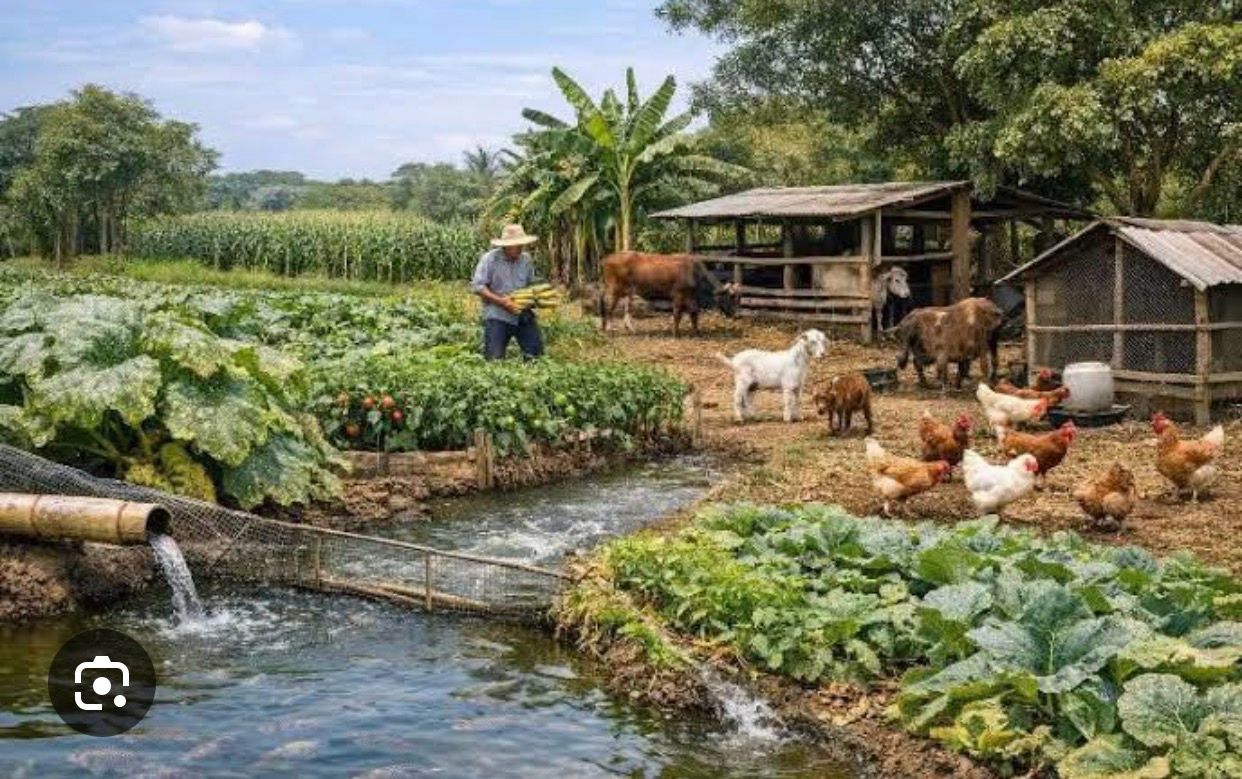
Her farm isn’t just a piece of land. It’s a carefully designed portfolio.
There are goats, sheep, poultry and cattle.
There are maize fields, beans and peas.
Then comes the fruit orchard ; mangoes, oranges and peaches.
Every asset has a role.
Every season has an opportunity.
Every harvest contributes to the whole.
If drought affects one crop, another survives.
The family enjoys nutritious, organic food throughout the year while the farm continues to generate value.
Even risk management has its place.
The dogs provide security.
The cats control pests.
Nothing exists in isolation. Everything supports something else.
In finance, we give these ideas sophisticated names.
Diversification.
Risk management.
Sustainability.
The circular economy.
Green investing.
But the principles themselves are anything but new.
Generations of farmers have understood that placing all your hopes in a single crop is risky. Nature rewards resilience, balance and patience.
The most successful investors think the same way.
The best bankers and fund managers don’t reinvent these principles. They simply package them into products that help investors apply timeless wisdom to modern markets.
This is exactly how global equity funds and Exchange-Traded Funds (ETFs) work.
Instead of betting everything on one company, one industry or one country, you spread your investment across hundreds, or even thousands of businesses operating in different sectors and regions.
Some companies will struggle.
Others will flourish.
Some industries will slow down while others will benefit from new technologies, changing consumer habits or economic cycles.
Like a well-managed farm, the strength of the portfolio lies in the ecosystem, not in a single asset.
That’s the quiet power of diversification.
The longer I work in finance, the more I realise that innovation often isn’t about discovering new principles. It’s about recognising timeless wisdom and applying it in new contexts.
Perhaps wealth creation is not as complicated as we sometimes make it sound.
Perhaps the world’s greatest investment lessons were never confined to boardrooms, trading floors or business schools.
Perhaps they have been growing quietly on our farms all along.